Inside the HORLITE Showroom: Reviewing Outdoor Lighting Projects
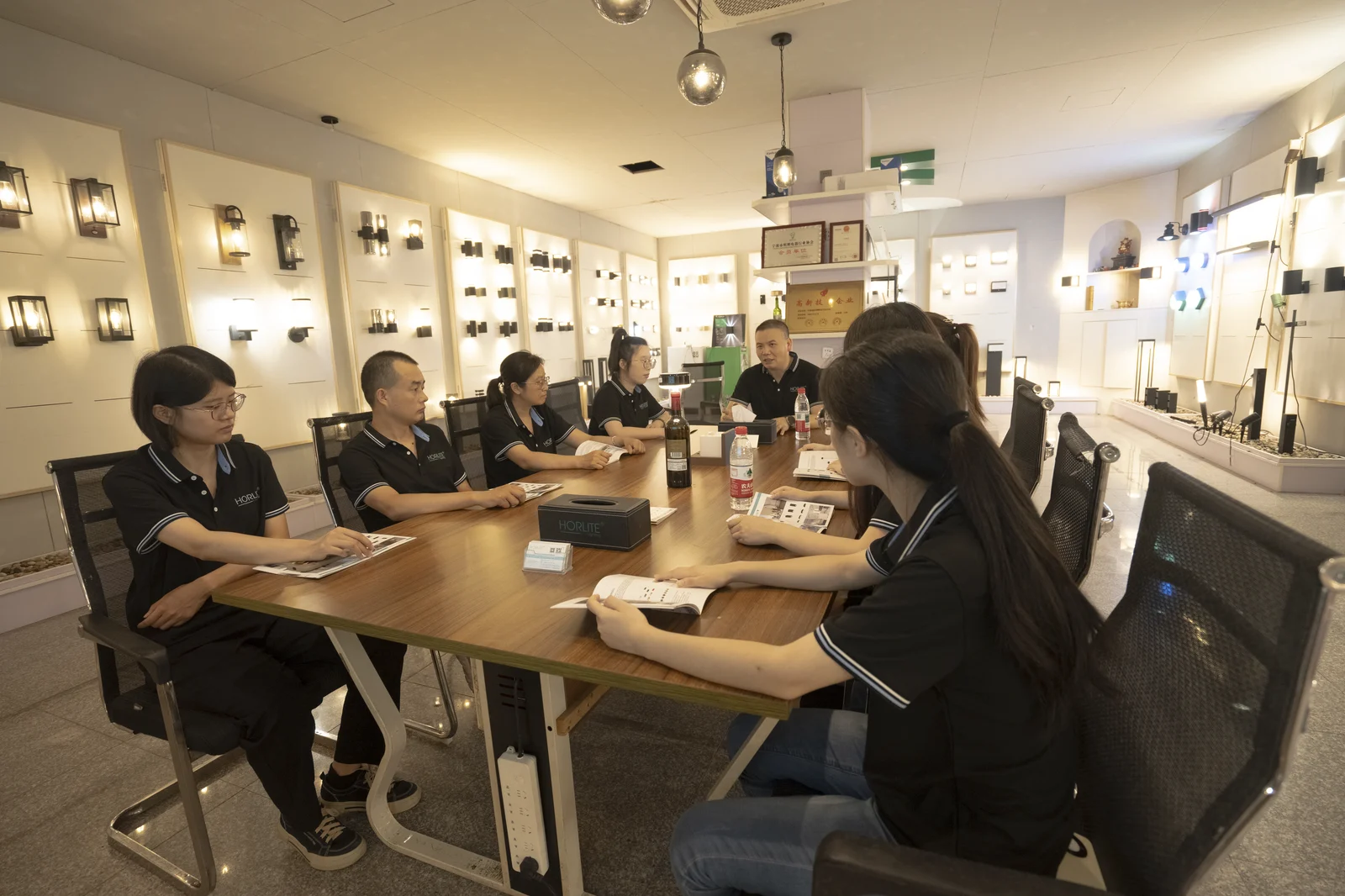
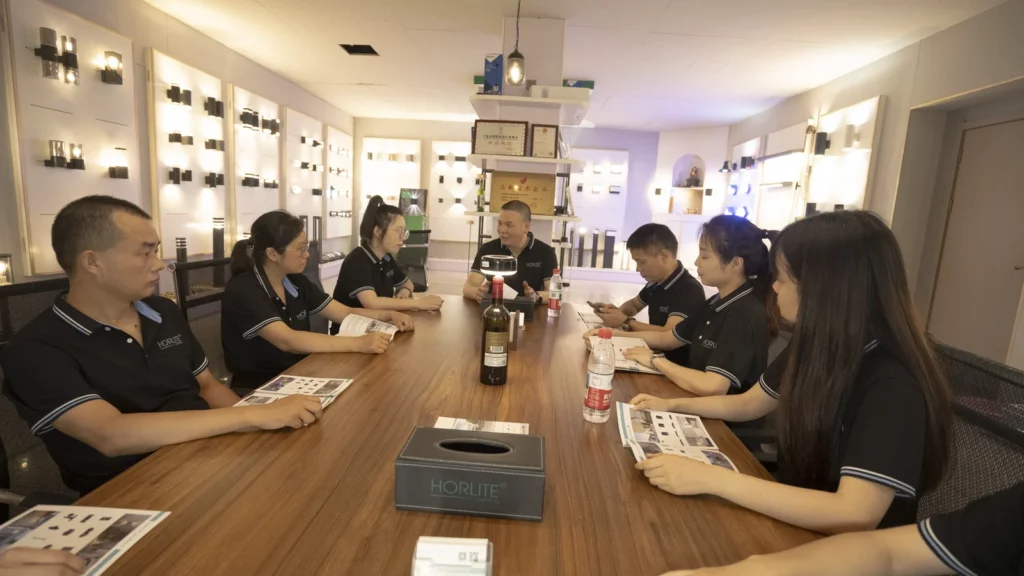
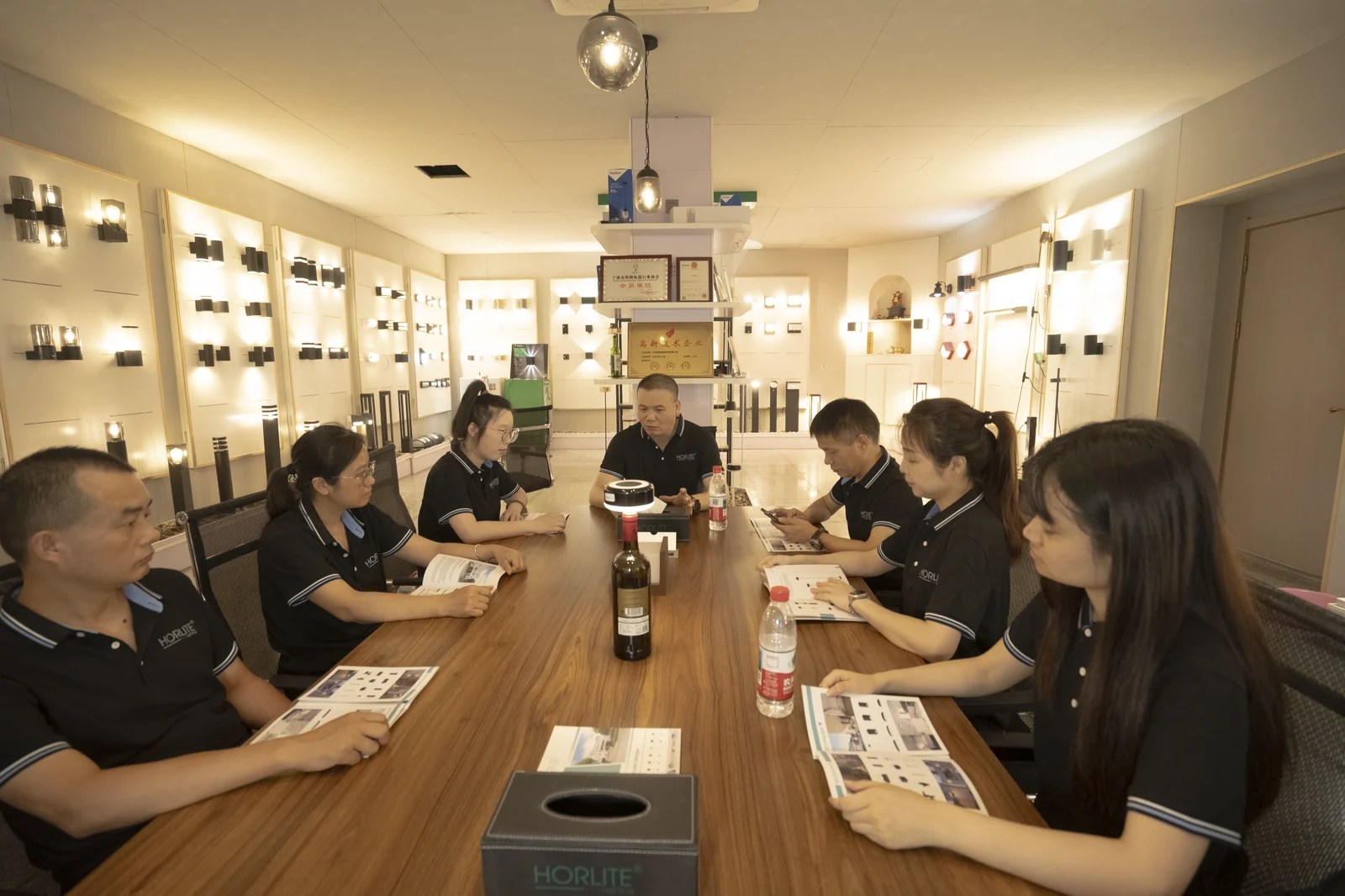
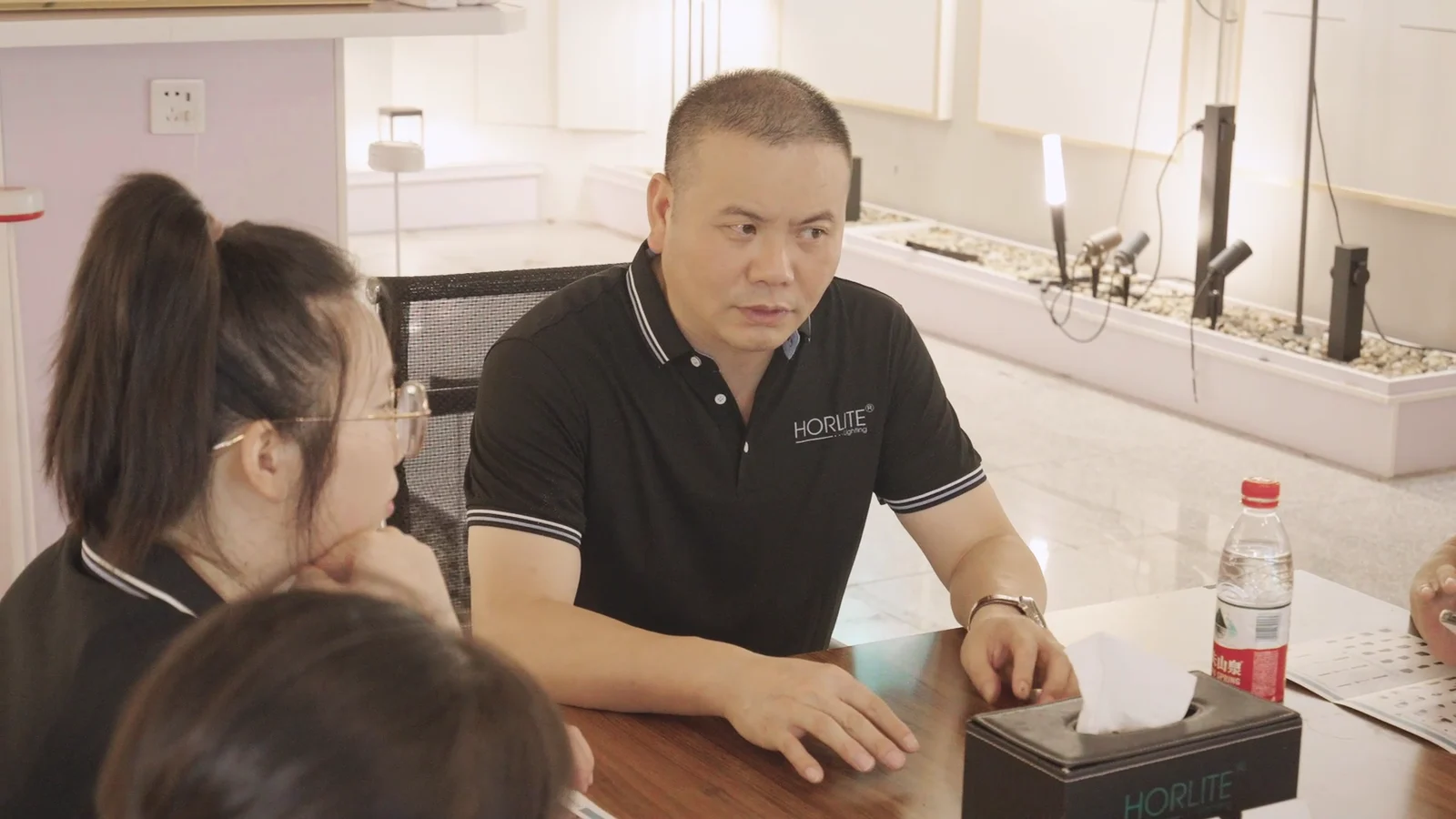
A catalogue can show a model number and a photograph. A physical sample can answer a different set of questions: How large does the fitting feel? Where does its light go? How does one finish compare with another? HORLITE's showroom brings those questions into the same room as the people discussing a project. An outdoor lighting brief is more useful when it describes the installation, not just the product name. A wall light for an entrance, a bollard beside a path and a garden light near planting have different viewing distances and mounting constraints. The samples visible in the HORLITE showroom let a project team compare forms at eye level while discussing placement, proportion and intended effect. This is an opportunity to separate confirmed requirements from preferences. Mounting position, power supply, target market and required documentation should be stated clearly. Finish and appearance can then be discussed against the physical references rather than a screen image alone. The factory footage shows colleagues around a table reviewing product material. It is a useful setting for asking the next questions: Is the housing shape suitable for the surface? Is the diffuser appearance right for the space? Does the product need a standard configuration or a project-specific variation? For buyers, bringing a drawing, site photograph or target specification to that conversation can make a sample review more productive. If a detail remains open, it should be recorded for technical confirmation rather than assumed from appearance. The showroom displays different outdoor lighting forms around the meeting area. Seeing several types together helps a buyer judge scale and visual consistency across a project. It can also make the difference between an uplight, a downlight and a more diffuse source easier to explain. A showroom review is a practical first step towards a more precise brief. Tell HORLITE where the light will be installed, which models interest you and which requirements still need confirmation; the team can then continue the discussion with the current drawing, datasheet and sample information.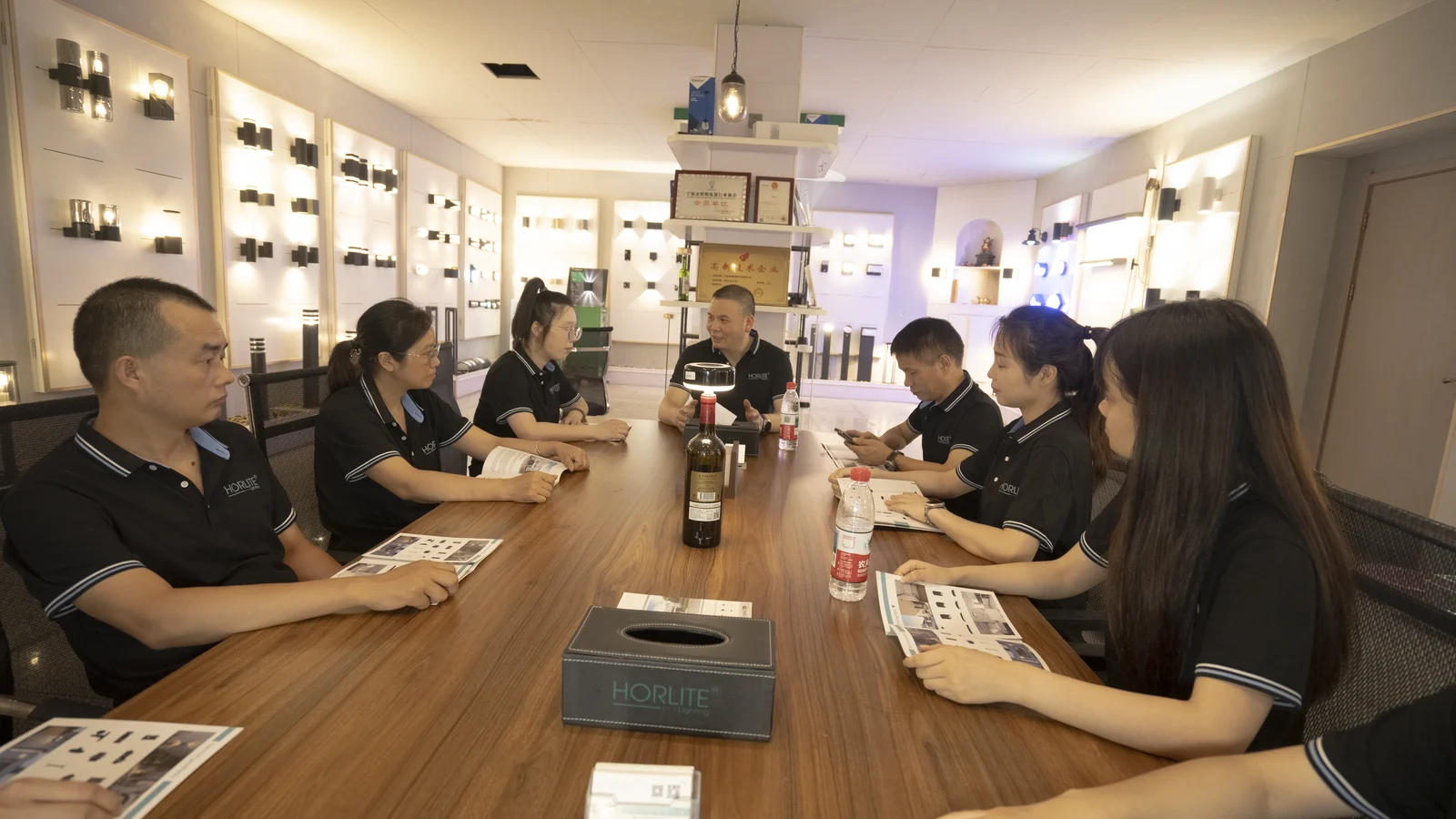
Start with what the light has to do
Use the discussion to uncover the next questions
Compare product families in one place