

Reducing Outdoor Light Pollution: Placement, Output and Controls
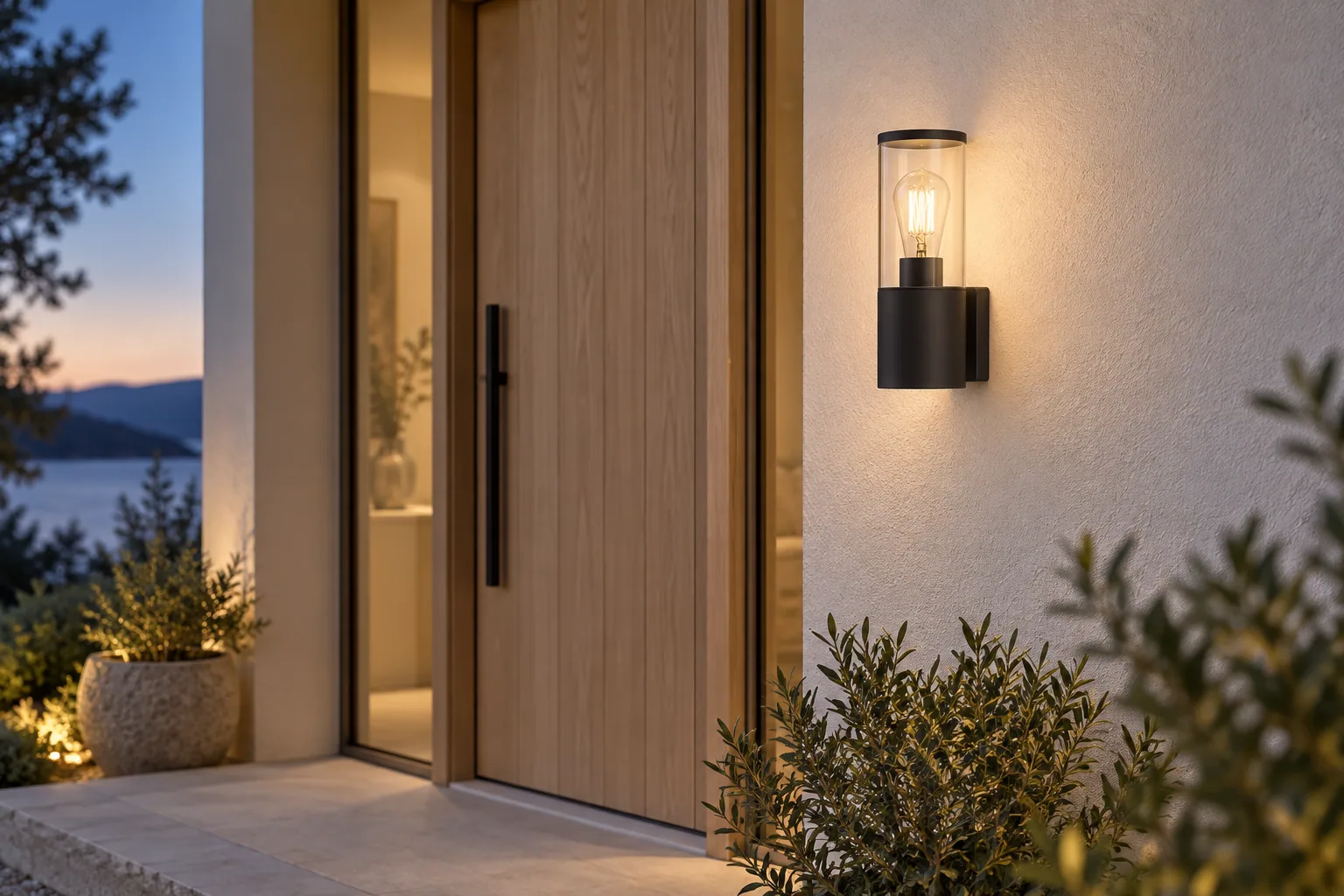
A comfortable garden at night does not need every surface to be bright. A useful lighting plan makes doors, routes and changes in level understandable while limiting light that reaches windows, neighbouring properties or the sky. The DarkSky and IES lighting principles provide a practical starting point: use light where it is useful, direct it to the task, keep levels modest, control operating time and favour warmer colour where possible. Begin with the activities on site, then decide which fittings are needed. Walk the route at night before adding more fixtures. Identify the specific step, entrance or edge that is difficult to see. Also check the view from bedroom windows and neighbouring land. This can reveal an aiming or placement problem that extra wattage would make worse. HR60861 is a dual-beam architectural wall light. Its upward beam can be useful for a particular façade effect, but that does not make it an automatic choice where upward light must be restricted. Assess wall height, aiming, shielding and the project requirements; select a suitable downward-directed alternative when needed. A product photograph cannot establish an upward-light ratio or demonstrate glare compliance. For projects with limits on spill or upward light, request the appropriate photometric file and assess the complete arrangement. The HORLITE examples in this guide are product references, not a claim of DarkSky certification. HR60101 uses an E27 lamp holder and has a maximum lamp rating of 15 W. That limit is not the target brightness. Select the lamp's lumen output and colour appearance for the task while staying within the fitting's electrical and physical requirements. With a clear diffuser, the source is visible, so check comfort from normal viewing positions. Compare light on the ground and wall with a sample. Pale paving can reflect more light than dark planting. A lower-output lamp or a better position may give a more comfortable result than a brighter lamp in the same place. HR60861S provides an integrated motion-sensor option. Its listing does not establish app control, remote monitoring or a particular detection range and delay. Request those details for the selected version and set the detection area so that passing traffic or nearby movement does not trigger unwanted operation. For other fittings, a timer or compatible external control may be considered as part of the electrical design. Confirm the switching and dimming compatibility first. A 3CCT colour-selection feature is not the same function as brightness dimming. Avoid specifying either function from the product's appearance or a shared family name. Review the completed scheme from the route, the seating area and the property boundary. Record any direct view of an uncomfortable source, unnecessary upward beam or light entering a window. Adjust the approved aiming, output and operating schedule, then check again. Repeat the review when planting grows or the use of the space changes. HORLITE model and control details checked 14 October 2026. General design principles follow DarkSky and IES; the examples are not presented as certified dark-sky products.Give each light a clear purpose

Judge where the beam goes

Specify lamp output rather than using the maximum rating
Use controls that are actually available
Check the installation after dark
