
Tecnologia e qualidade
Por que os testes em processo são importantes para os produtos de iluminação exterior
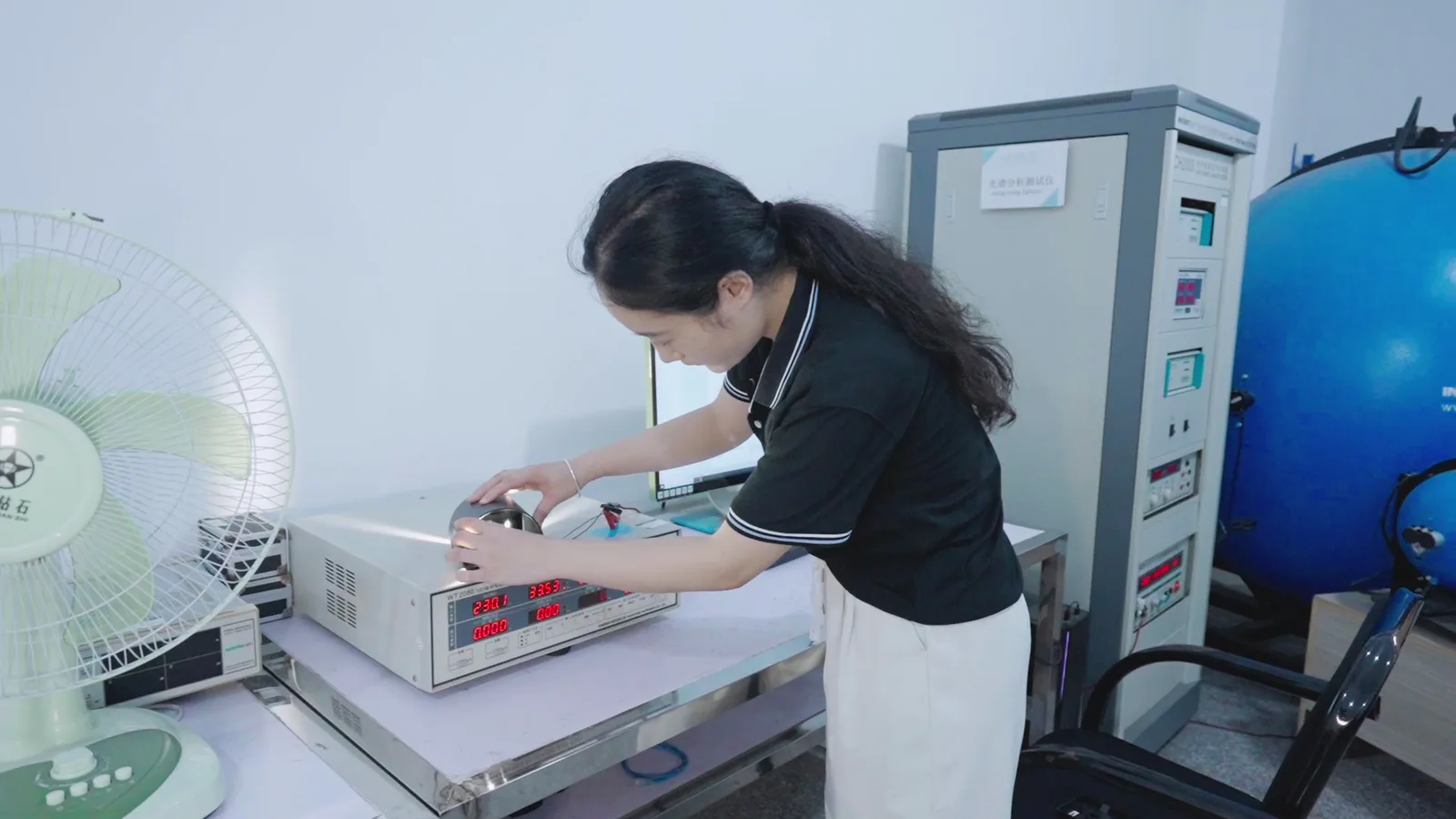
A light can look correct e still require technical review. Electrical behaviour, light output e product response under selected conditions cannot be judged by appearance alone. In-process testing gives the team evidence that supports product decisions before an order moves forward.
Testing begins with the product requirement
Ore is no useful test plan without a clear requirement. O appropriate checks depend on the light type, electrical configuration, intended application e target market. A solar garden light, a mains-powered wall light e an architectural bollard do not share exactly the same evaluation needs.
Para project work, the team first needs to confirm the specification e what must be demonstrated. This keeps testing relevant e prevents a measurement from being treated as meaningful without the right context.
Electrical checks support functional review
O HORLITE factory footage shows technicians using dedicated electrical measurement equipment with lighting samples. Ose checks help the team observe whether the assembled product operates as intended e whether its measured behaviour aligns with the internal requirement for that configuration.
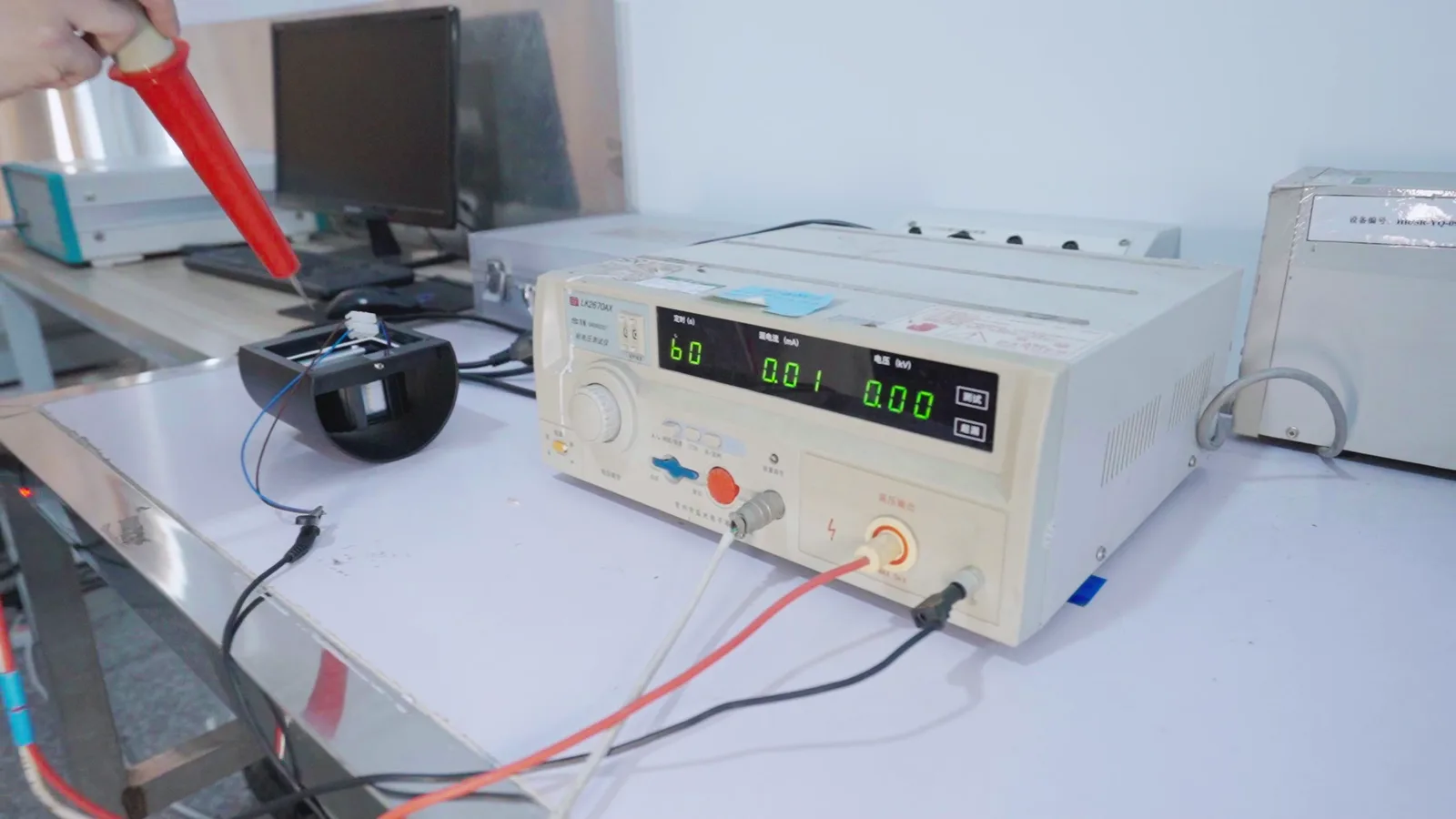
When a result requires attention, the product can be reviewed while the relevant components e production information are still available. This is one reason in-process checking is valuable: it creates an earlier opportunity to investigate.
Optical measurement helps describe the light itself
Para a lighting product, the emitted light is a core part of performance. O test area includes optical measurement equipment, including a sphere-type system visible in the factory materials. Such equipment can support the assessment of selected light-source e luminaire characteristics under controlled conditions.
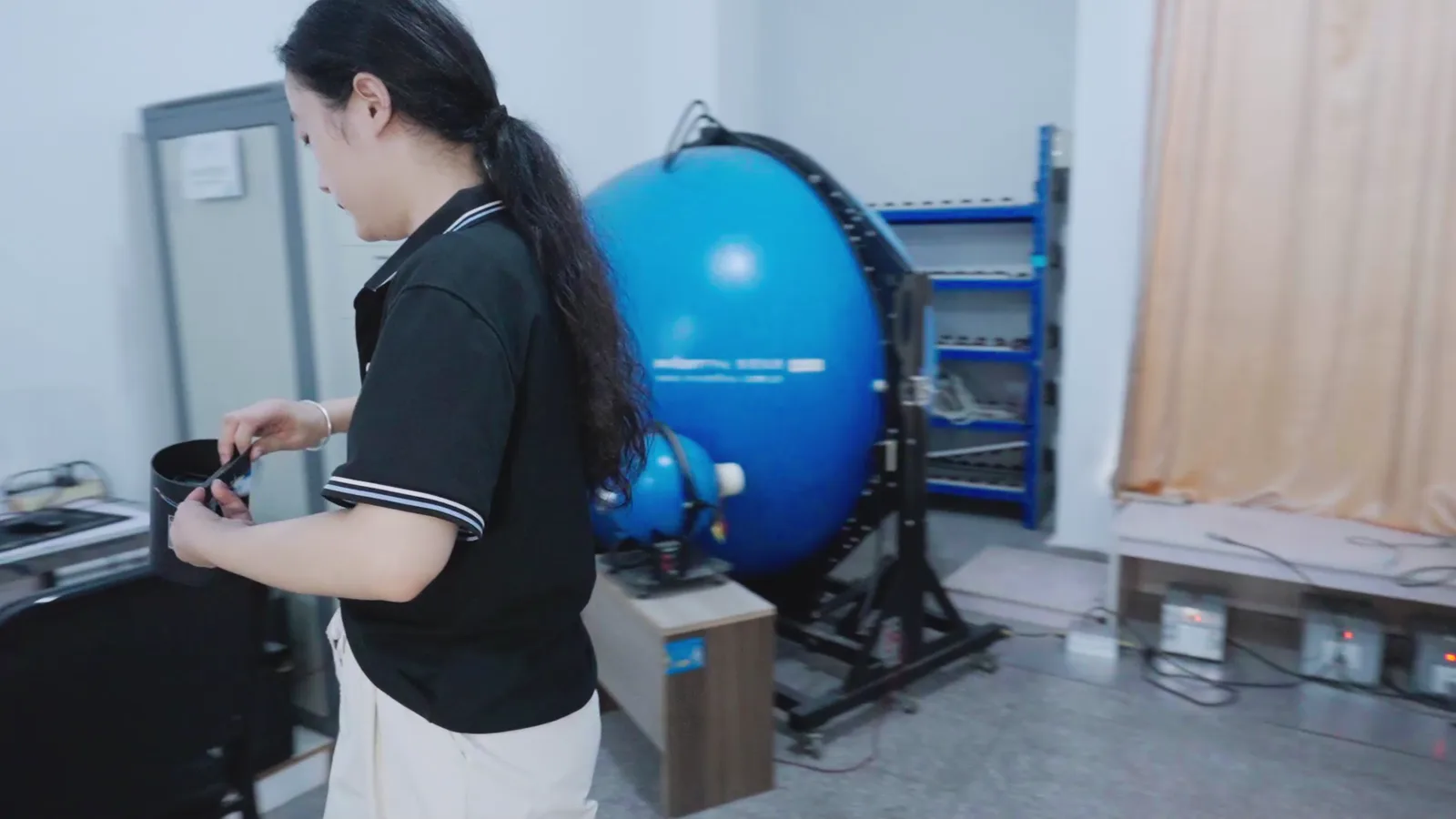
O exact measurement method e acceptance criteria should always follow the product specification e agreed project requirement. HORLITE does not treat one generic number as a substitute for the complete application brief.
Controlled equipment supports environmental evaluation
O factory photographs also show chamber-based test equipment. Depending on the product e project, controlled equipment can be used to observe sample behaviour under selected test conditions. This helps the team investigate materials, construction or finished-product response in a repeatable environment.
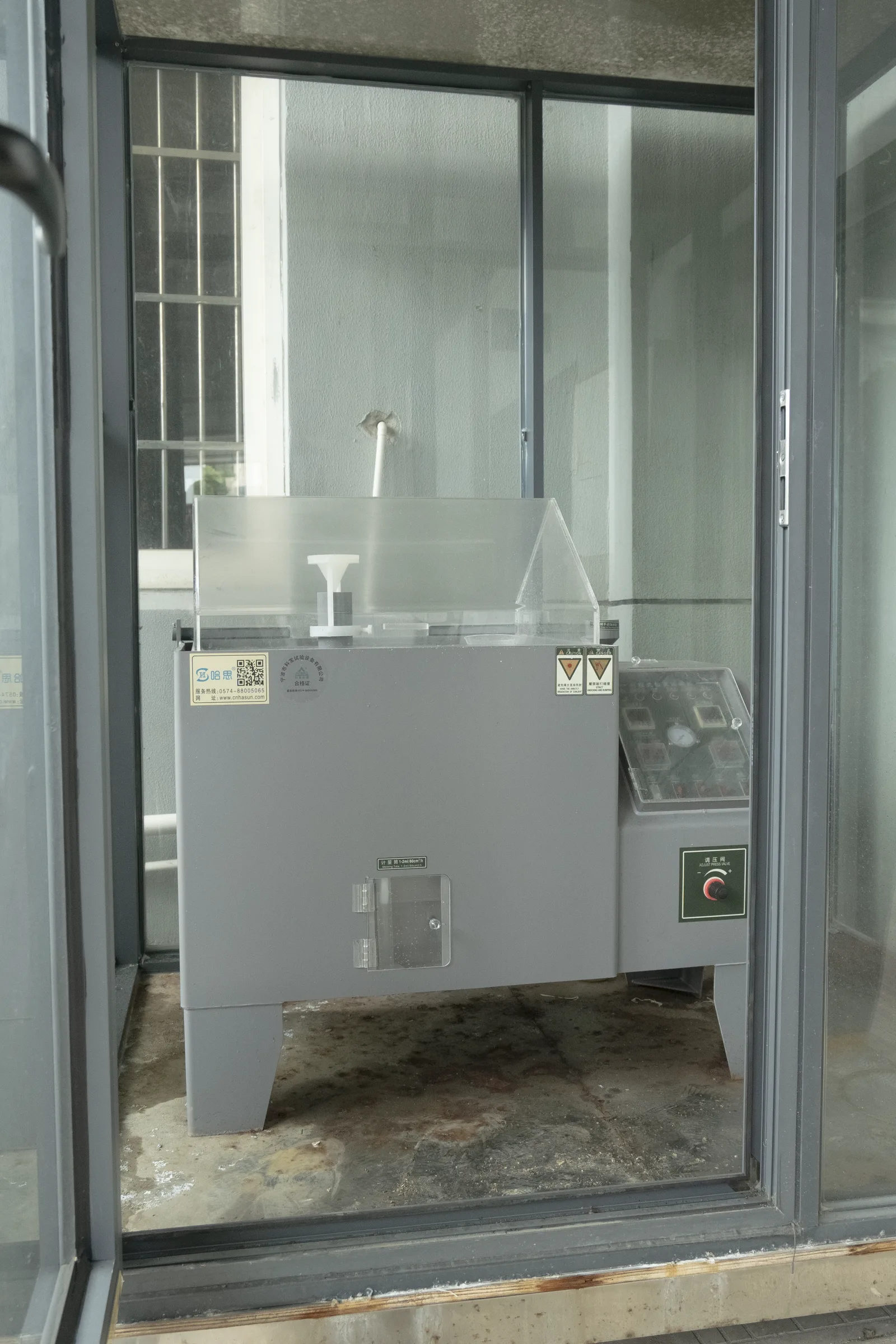
It is important to distinguish factory evaluation from third-party certification. Where a project requires a particular certificate, report or market-specific steard, the exact requirement should be confirmed separately at the beginning of the project.
Results are useful when they lead to action
Testing is not only about producing a result. O value comes from comparing the result with the agreed requirement, recording the observation e deciding what happens next. A conforming sample can move forward; an unusual result needs review; a design-stage finding may become input for an engineering adjustment.
This connection between testing, engineering e production is what makes quality work practical. It helps the factory learn from the product while there is still time to respond.
What buyers should provide
When requesting an outdoor lighting quotation, provide the destination market, application, operating requirements e any certification or testing expectations that apply. If a specific report is required, identify it clearly rather than assuming it is included. HORLITE can then review the request against the proposed product e project scope.
